
A well-run job site is not just about skilled labor and quality materials. It is also about how efficiently everything moves, how clean the environment stays, and how organized the workflow remains from start to finish. Cleanup and logistics are often treated as secondary concerns, but in reality, they are foundational to productivity, safety, and profitability.
When materials pile up, tools go missing, or waste is poorly managed, small inefficiencies quickly compound into major delays. On the other hand, a clean, organized job site allows crews to work faster, safer, and with greater confidence.
This guide breaks down practical, real-world strategies you can use to streamline cleanup and logistics on any project. Whether you are managing a small residential build or a large commercial site, these systems will help you stay ahead of problems and keep everything running smoothly.
Start with a Cleanup and Logistics Plan Before Work Begins

The most efficient job sites are planned well in advance of the first piece of equipment arriving. A clear strategy for handling waste and materials prevents confusion and eliminates costly guesswork.
Map Out Waste Flow Before the First Tool Is Used
Before work begins, identify the types of debris your project will generate. Different materials require different handling methods, and knowing what to expect helps you prepare.
Consider:
- Construction debris like wood, drywall, and concrete
- Packaging materials from deliveries
- Recyclable metals and reusable scraps
Estimating volume is just as important. Ordering too small of a solution leads to overflow, while oversizing can waste money.
A properly planned dumpster rental ensures you have enough capacity without overpaying. For projects with changing needs, a container rental service can offer flexibility with swaps and adjustments as the job progresses.
Choose the Right Size and Type of Waste Solutions
Not all jobs require the same approach. Smaller projects may only need a single container, while larger builds benefit from multiple stations placed strategically across the site.
Key considerations:
- Accessibility for trucks and pickups
- Distance from active work zones
- Safety and visibility for crews
Stage Equipment for Maximum Efficiency
Placement matters more than most people realize. If workers have to walk long distances to dispose of waste, productivity drops.
To optimize placement:
- Position containers close to high-debris areas
- Avoid blocking pathways or equipment routes
- Ensure easy access for removal and replacement
Planning these details upfront creates a smoother workflow from day one.
Keep Materials Moving Efficiently Across the Jobsite
Efficient material movement is a critical component in sustaining productivity across various industries. When organizations implement effective handling systems, they streamline operations and reduce the chances of bottlenecks or delays. Conversely, poor handling systems can have significant repercussions.
For instance, wasted time becomes a major concern when materials are not delivered to the right place at the right time. This inefficiency forces employees to spend extra time searching for materials, which could have been better utilized on their core tasks. Furthermore, increased fatigue among workers is a common issue associated with cumbersome handling systems. When workers are required to lift, transport, or manipulate heavy or awkward materials without proper systems in place, it leads to physical strain and reduced morale.
Additionally, these inefficiencies often result in heightened labor costs. Organizations may find themselves needing to allocate more personnel to manage the inadequacies of the handling system, which can inflate operational costs. This can also lead to higher turnover rates, as employees become dissatisfied with the working conditions and the physical demands placed on them.
In light of these challenges, investing in advanced material handling technologies, such as automated systems, conveyor belts, and inventory management software, can be transformative. These solutions enhance speed, accuracy, and safety in material movement, ultimately leading to increased productivity, reduced labor costs, and a more satisfied workforce. By prioritizing efficient material movement, organizations can optimize their operations and achieve sustainable growth.
Reduce Labor Fatigue with Smarter Movement Systems
Manual lifting and carrying may seem manageable at first, but over time they slow crews down and increase the risk of injury.
Instead, focus on systems that reduce strain:
- Use carts, dollies, and lifts whenever possible
- Minimize repetitive lifting tasks
- Design workflows that reduce unnecessary movement
The right material handling equipment can dramatically improve efficiency while protecting your team.
Select the Right Tools for Daily Operations
Every jobsite has unique needs. Choosing the right tools depends on the size of the materials, the site layout, and the frequency of movement.
Ask yourself:
- What materials are moved most often?
- How far do they need to travel?
- Are there obstacles that complicate transport?
Answering these questions helps you choose tools that actually improve workflow rather than complicate it.
Use Mobile Storage to Stay Organized
Keeping tools and materials secure and accessible is essential. Local enclosed trailers provide a flexible solution that combines storage with mobility.
Benefits include:
- Protection from weather and theft
- Easy transport between job phases
- Centralized organization for tools and supplies
When everything has a place, crews spend less time searching and more time working.
Build a System for Sorting and Recycling Materials
Waste management is not just about removal. It is about sorting, reducing, and in some cases, recovering value from materials.
Separate Materials at the Source
Sorting materials as they are discarded saves time later and prevents contamination. Waiting until the end of a project to sort waste is inefficient and often leads to missed opportunities.
Set up designated zones for:
- Wood and general debris
- Metals and recyclables
- Hazardous or specialty materials
Clear labeling and consistent enforcement are key.
Turn Waste Into Value
Many materials have resale or recycling value. Partnering with scrap recycling businesses allows you to offset costs and reduce environmental impact.
Common recyclable materials:
- Copper and other metals
- Steel components
- Certain plastics and packaging
By separating these materials early, you make them easier to process and more valuable.
Compress and Consolidate to Save Space
On larger projects, waste can quickly take up valuable space. A commercial trash compactor helps reduce volume and minimize the number of pickups required.
Advantages include:
- Lower hauling costs
- Reduced clutter on site
- Improved overall organization
This approach is especially useful for projects with high volumes of packaging waste.
Manage Large-Scale Transport and Material Transfers
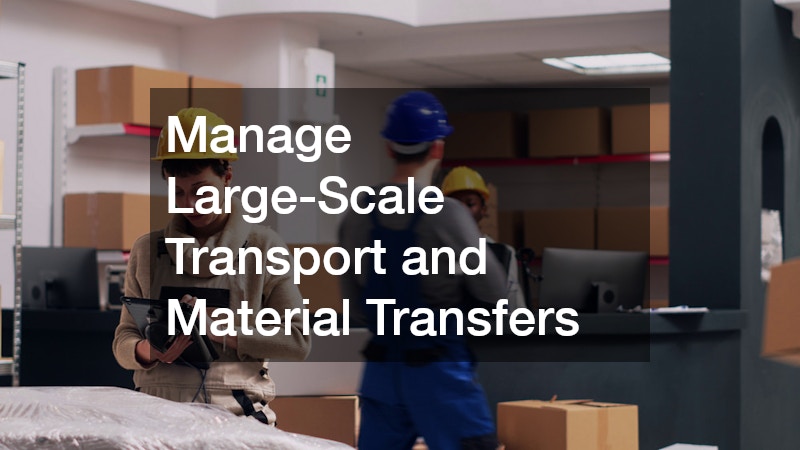
As projects grow in size, logistics naturally become more complex, presenting a variety of challenges that must be addressed to ensure smooth operations. One key aspect is the movement of materials, which requires meticulous planning and coordination to minimize delays and optimize resources.
For instance, as the scale of a project increases, the variety of materials needed also expands. This diversity can lead to complications in inventory management, as different materials may have varying lead times, storage requirements, and handling procedures. Maintaining an accurate inventory and ensuring that all necessary materials are available at the right time is crucial for keeping a project on schedule.
Furthermore, the transportation of these materials between various locations—such as suppliers, warehouses, and work sites—demands effective communication and collaboration among all stakeholders. This may involve coordinating with multiple suppliers to ensure timely deliveries and managing logistics providers to streamline transportation routes. Advanced planning tools and software can aid in creating efficient schedules and tracking the movement of goods.
Effective project logistics also require consideration of the larger context, including traffic patterns, environmental regulations, and scheduling of deliveries to align with the needs of on-site operations. Any disruption in the supply chain, whether due to unexpected delays or increased demand for certain materials, can lead to significant setbacks that affect overall project timelines.
Consequently, investing time and resources into logistics planning can make a substantial difference, enabling project managers to navigate complexities and enhance productivity. By prioritizing logistics early in the project lifecycle, teams can lay the groundwork for successful execution, ensuring that materials are efficiently moved and resources are utilized wisely. Ultimately, a proactive approach to logistics can contribute to the timely completion of projects, improved teamwork, and greater satisfaction among all parties involved.
Plan for Bulk Material Movement Early
Large deliveries and removals can disrupt workflow if not properly scheduled. Planning ahead helps you avoid bottlenecks.
Consider:
- Timing deliveries during off-peak hours
- Coordinating multiple vendors
- Allowing space for staging materials
Use Strategic Transfer Points to Save Time
For projects that involve multiple transportation methods, a transloading container can simplify the process. It allows materials to be transferred efficiently between trucks, rail, or other systems.
This reduces:
- Double handling of materials
- Delays caused by mismatched schedules
- Risk of damage during transfers
Coordinate Timing to Prevent Delays
Communication is critical when managing logistics. Ensure that everyone involved understands the schedule and their role.
Best practices:
- Confirm delivery windows in advance
- Maintain contact with drivers and vendors
- Adjust plans quickly when delays occur
A proactive approach keeps everything moving smoothly.
Stay Ahead of Equipment Maintenance and Downtime
Equipment failure can bring a job site to a halt. Preventative maintenance is one of the most effective ways to avoid costly delays.
Identify Critical Equipment That Can’t Fail
Some equipment is essential to daily operations. Identify these items and prioritize their upkeep.
Examples include:
- Lifts and loaders
- Compaction equipment
- Hydraulic systems
Understanding what your site depends on allows you to plan accordingly.
Create a Preventative Maintenance Schedule
Routine checks can catch issues before they become major problems. A simple maintenance schedule can save significant time and money.
Include:
- Daily inspections for visible issues
- Weekly checks for performance
- Scheduled servicing based on usage
Keeping a log ensures nothing is overlooked.
Know Who to Call Before You Need Them
When problems do arise, quick response times are critical. Building a relationship with a local hydraulic service ensures you have support when you need it.
Benefits include:
- Faster repairs
- Reduced downtime
- Access to expert advice
Preparation is the difference between a minor delay and a major disruption.
Choose the Right Waste Removal Strategy for Your Project Size
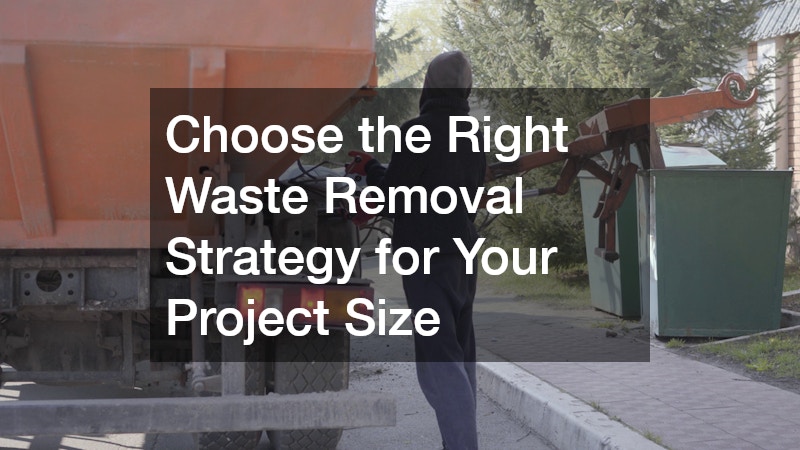
Different projects require different waste management approaches. Choosing the right strategy ensures efficiency without unnecessary costs.
Match Your Cleanup Strategy to Project Scope
Small renovations and large construction projects have very different needs. Understanding your scope helps you choose the right solution.
For larger jobs, local roll off dumpster rentals provide the capacity needed to handle significant debris.
Optimize Placement for Safety and Speed
Placement affects both safety and efficiency. Poorly placed containers can create hazards and slow down work.
Tips for placement:
- Keep containers within easy reach
- Avoid blocking access points
- Ensure visibility for operators
Plan for Scaling Up or Down
Project needs often change. Being able to adjust your dumpster rental ensures you are not stuck with the wrong setup.
Stay flexible by:
- Monitoring waste levels regularly
- Scheduling timely pickups
- Adjusting container size as needed
This adaptability keeps your site running efficiently from start to finish.
Create Daily Cleanup Habits That Keep Projects on Track
Even the best systems fail without consistent execution. Daily habits are what keep a jobsite clean and organized over time.
End Every Day with a Reset Routine
A simple end-of-day cleanup prevents buildup and keeps the site ready for the next shift.
Assign responsibilities such as:
- Removing debris from work areas
- Organizing tools and materials
- Checking waste levels
Consistency is key. Even small efforts make a big difference.
Keep Pathways Clear and Safe
Clear pathways improve both safety and efficiency. Workers can move freely without obstacles, reducing the risk of accidents.
Maintain pathways by:
- Designating specific walkways
- Keeping materials out of high-traffic areas
- Addressing hazards immediately
Make Cleanliness Part of the Culture
A clean job site starts with accountability. When everyone takes responsibility, maintaining order becomes easier.
Encourage this by:
- Setting clear expectations
- Leading by example
- Recognizing teams that stay organized
Over time, these habits become second nature.
Job Site cleanup and logistics are not just support functions
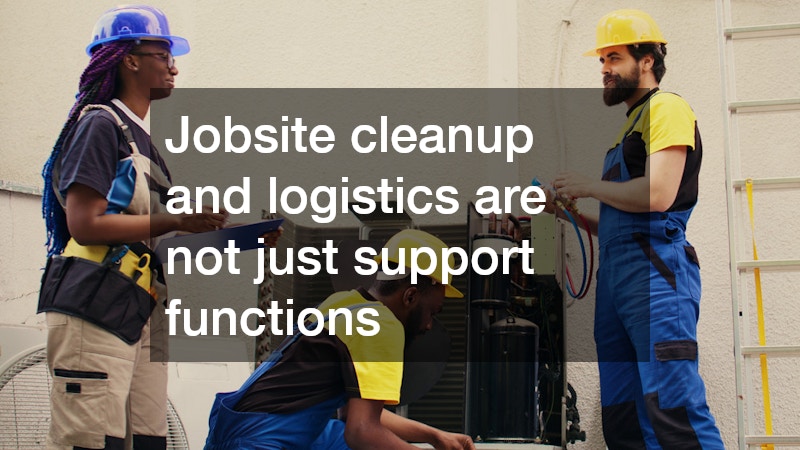
When you take the time to plan ahead, choose the right systems, and build consistent habits, you create an environment where work can happen efficiently and safely.
The key is to focus on small, practical improvements that add up over time. Whether it is better placement of materials, smarter handling systems, or more consistent cleanup routines, each step contributes to a smoother operation.
Start by implementing one or two of these strategies on your next project. As those improvements take hold, you will see the impact not just in your workflow, but in your overall results.