The transition from an e-commerce platform, a home-based studio, or a conceptual business blueprint into a physical brick-and-mortar storefront is an exhilarating milestone. It represents the moment your brand becomes a living, breathing part of a local community. However, moving into a physical space shifts your primary responsibilities from digital marketing and digital inventory management to a complex web of physical asset management, structural upkeep, and utility management.
Scouting and Assessing Potential Locations

Finding the perfect neighborhood requires a balance between creative vision and hard data. You must analyze foot traffic patterns, parking accessibility, and neighboring businesses to ensure there is a natural synergy that will draw your target demographic to the area. Beyond the demographic data, you must dive deep into local zoning laws, municipal ordinances, and historical district restrictions. A space that looks ideal on the surface might have strict limitations regarding signage, operational hours, or the types of modifications you can make to the building.
Before signing a commercial lease, you must conduct an exhaustive physical inspection of the property. Failing to identify preexisting structural faults can lock you into a multi-year lease for a money pit.
Physical Evaluation Strategies
-
Examine the concrete slab, load-bearing walls, and support columns for signs of shifting, cracking, or water intrusion.
-
Verify the square footage of the retail space to ensure it can comfortably accommodate your expected customer volume, inventory storage, and employee break areas.
-
Check the electrical panel to confirm it provides enough amperage to power your specialized equipment, point-of-sale systems, and high-density lighting layouts.
-
Assess external accessibility, including the condition of the sidewalks, parking lot grading, and compliance with the Americans with Disabilities Act.
To get a truly comprehensive understanding of the building’s condition, look upward. Traditional walk-through inspections often miss critical structural elements on top of the building due to accessibility issues. Forward-thinking entrepreneurs are now utilizing commercial drone services to capture high-definition aerial footage of the rooftop, parapets, and exterior architectural features. These aerial surveys allow you to spot ponding water, failing flashing, and structural cracks without paying for expensive scaffolding or risking injury. Having this photographic evidence gives you immense leverage during lease negotiations, allowing you to demand that the landlord make necessary repairs before you take possession of the keys.
Maximizing Curb Appeal and Structural Protection
Your storefront’s exterior is your primary invitation to the public. It serves as a visual business card that communicates your brand’s quality and identity in a matter of seconds. Optimizing your exterior footprint involves more than just hanging a beautiful sign; it requires creating a comfortable, protected micro-environment around your entrance. Passersby should feel sheltered from the elements the moment they approach your doors, which encourages them to linger, look at your window displays, and ultimately step inside.
Protecting your storefront from weather extremes is essential for both customer comfort and asset preservation. Excessive sun exposure can fade window displays, damage inventory, and drive up internal cooling costs, while sudden rainstorms can deter foot traffic entirely.
Exterior Enhancement Protocols
-
Install high-durability retractable commercial awnings over your main windows and entrance to provide adjustable shade and weather protection for outdoor patrons.
-
Select exterior paint and finishings that feature UV-resistant properties to prevent premature peeling, cracking, and fading.
-
Position high-illumination, energy-efficient exterior lighting to highlight your architectural features and provide security during overnight hours.
-
Ensure entryway mats are heavy-duty and recessed if possible to trap moisture and debris before it ruins your internal flooring.
While managing the visible facade keeps your storefront looking professional, protecting the hidden structural components prevents catastrophic financial losses. The roof of a commercial building is its most critical shield against environmental damage. Water intrusion from a neglected roof can destroy your drywall, breed toxic mold, and ruin tens of thousands of dollars in retail inventory overnight. Before finalizing your lease or move-in timeline, you must hire a reputable commercial roofing service to inspect the membrane, seal old penetration points, clear out internal drainage scuppers, and provide a certified estimate of the roof’s remaining lifespan. Establishing this structural baseline ensures that your grand opening won’t be ruined by a sudden ceiling leak.
Managing Internal Climate and Surrounding Landscapes
Maintaining a comfortable indoor environment is non-negotiable for retail success. If your store is stiflingly hot in the summer or freezing cold in the winter, customers will leave within minutes, regardless of how incredible your products are. Indoor air quality and temperature regulation are complex mechanical logistics that require careful planning, especially when you factor in the heat generated by high-density retail lighting, electronic displays, and dozens of human bodies occupying the space simultaneously.
Commercial climate control systems are vastly different from residential units. They handle higher volumes of air, require sophisticated ventilation mapping, and consume significant amounts of electricity.
Climate System Optimization
-
Calculate the total British Thermal Unit requirements based on your store’s square footage, ceiling height, insulation quality, and occupancy limits.
-
Partner with experienced commercial HVAC contractors to run diagnostics on the existing compressor, evaporator coils, and ductwork to guarantee optimal performance.
-
Implement a comprehensive preventative maintenance agreement that includes quarterly filter changes, belt replacements, and refrigerant level checks.
-
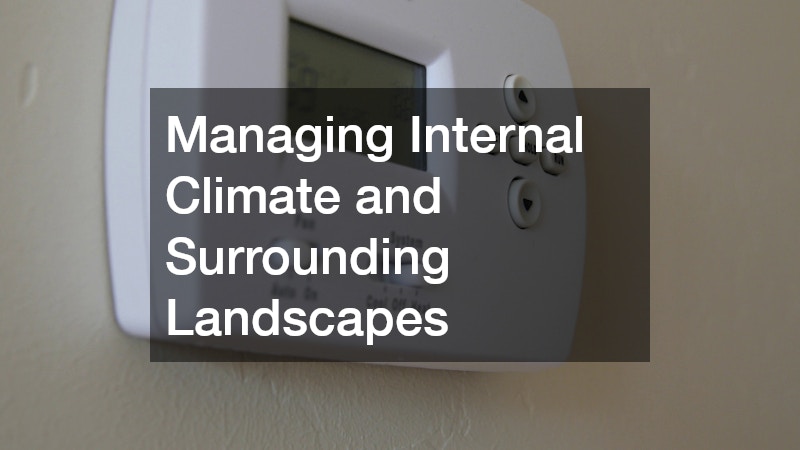
Install commercial-grade programmable smart thermostats that allow you to lock temperature ranges and automate setbacks during hours when the store is closed.
While you are dialing in the internal climate, you cannot afford to neglect the external perimeter. The landscaping surrounding your storefront contributes heavily to the customer’s first impression. Overgrown weeds, dying plants, or dead patches of grass signal to the public that a business is struggling or poorly managed. Conversely, lush greenery and vibrant flowers create an upscale, welcoming atmosphere. To maintain this aesthetic without pulling your staff away from their primary retail duties, look into automated solutions. Installing modern irrigation systems ensures that your perimeter flowerbeds, window boxes, and lawns receive the precise amount of water they need to thrive, preventing both under-watering during heatwaves and wasteful water runoff that could damage your walkways.
Establishing Robust Water and Waste Infrastructure
A fully functional plumbing infrastructure is the backbone of any operational business. Whether you are running a boutique clothing store that only requires a basic restroom for staff or a specialty boutique that needs high-volume water access for product demonstrations, your plumbing must be reliable and legally compliant. Commercial plumbing systems face significantly higher usage rates and stricter regulatory standards than residential setups, meaning that minor oversight can result in massive municipal fines or operational shutdowns.
Upgrading and customizing your backend plumbing requires an accurate assessment of your daily operational workflow. You must ensure that your system can handle peak usage times without experiencing drops in water pressure or slow drainage.
Plumbing Infrastructure Controls
-
Map out all water supply lines and shutoff valves so your management team can respond instantly in the event of an emergency pipe burst.
-
Hire a certified plumbing contractor to audit your water heaters, low-flow fixtures, and backflow preventers to ensure absolute compliance with local building codes.
-
Install dedicated grease traps, interceptors, or specialized filtration units if your business handles any type of organic waste or chemical byproducts.
-
Verify that all public and employee restrooms feature the exact clearance spaces, grab bars, and sink heights mandated by accessibility laws.
Beyond the visible fixtures and supply lines lies the hidden network of waste pipes that carry graywater away from your business. Over time, commercial drains accumulate a thick lining of debris, hair, soap scum, and mineral deposits left behind by previous tenants. Waiting for a drain to clog completely before taking action is a recipe for disaster. Investing in professional commercial drain cleaning before you begin building out your interior space ensures that your lines are completely clear and flowing at maximum capacity. This proactive measure prevents foul odors from backing up into your retail area and eliminates the risk of an embarrassing wastewater overflow on your sales floor during a busy shopping weekend.
Securing Long-Term Sanitation and Mainline Maintenance
The ultimate test of your storefront’s infrastructure lies deep beneath the concrete floor slabs, where your property’s waste lines connect to the municipal sewer system. While local drain lines handle individual sinks and toilets, the main sewer lateral bears the burden of your entire property’s waste output. This mainline is highly vulnerable to structural failures caused by shifting soil, invading tree roots, and the calcification of grease and chemical waste that has settled into the pipe over decades.
A mainline backup is one of the most destructive events a brick-and-mortar business can experience. It forces an immediate cessation of operations, requires expensive hazardous waste cleanup, and can permanently damage your brand’s reputation.
Mainline and Sanitation Safeguards
-
Conduct a baseline sewer scope inspection using a fiber-optic camera to check for pipe sagging, offset joints, or structural collapses in the lateral line.
-
Schedule a heavy-duty commercial Sewer Cleaning utilizing high-pressure hydro-jetting equipment to blast away tree roots and hardened blockages before they cause a backup.
-
Establish strict operational protocols for your staff regarding the disposal of chemical cleaners, oils, and non-biodegradable materials.
-
Coordinate with neighboring tenants to ensure shared mainline systems are being maintained equitably if your lease structure dictates shared utility responsibility.
Once your underlying infrastructure is secured, you must pivot your focus to daily operational hygiene. The cleanliness of your storefront directly influences customer behavior, dwell time, and average spend. A dusty environment, smudged windows, or a neglected floor can subconsciously signal to a customer that your products are low quality or overpriced. To maintain an immaculate presentation without burning out your retail staff, you should contract professional janitorial services to manage your facility’s deep cleaning needs. Relying on professional cleaners who possess commercial-grade equipment and specialized training ensures that your storefront remains spotless, sanitary, and visually pristine every single morning when you unlock the front doors.
Inventory and Supply Chain Integration
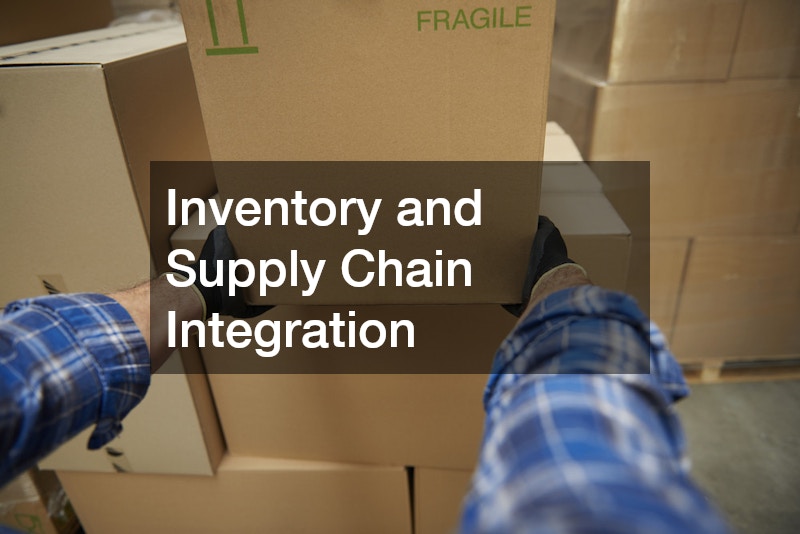
With your physical structure secured and your utilities functioning flawlessly, your attention must turn to the logistics of product movement. Your storefront is not just a showroom; it is a localized fulfillment center that must receive, process, store, and display physical goods efficiently. A poorly designed backroom or a chaotic receiving process creates bottlenecks that delay product availability, increase labor costs, and lead to inaccurate inventory counts.
Designing an efficient back-of-house workflow requires a deep understanding of your supply chain’s rhythm. You must create a space that allows your team to unload delivery trucks, unbox items, tag inventory, and move products to the sales floor with minimal friction.
Inventory Flow Optimization
-
Designate a secure, weather-protected receiving zone that is completely separate from your main customer entrance to prevent operational cross-traffic.
-
Implement heavy-duty modular shelving systems in your stockroom to maximize vertical space and keep inventory organized by category or SKU.
-
Install high-speed, secure wireless access points in your storage areas to ensure inventory scanners and point-of-sale systems update in real time.
-
Establish a strict first-in, first-out inventory rotation protocol to ensure that older stock is displayed and sold before newer shipments are opened.
The physical layout of your sales floor must also be designed with logistics in mind. Walkways must be wide enough to accommodate stock carts during restocking hours without blocking customer traffic. Display fixtures should be easily moveable to allow for seasonal layout changes, and cash wraps must have hidden cable management paths to keep your checkout counters looking clean and professional. By integrating your supply chain logistics directly into the physical design of your store, you create an environment where your staff can work efficiently and your customers can shop effortlessly.
Security, Compliance, and Risk Management
The final layer of storefront logistics involves protecting your physical investment from external threats, internal shrinkage, and legal liabilities. Operating a public brick-and-mortar location exposes your business to risks that do not exist in the digital space, such as slip-and-fall lawsuits, physical theft, property vandalism, and localized power outages. Managing these risks requires a combination of robust hardware, comprehensive insurance coverage, and strict operational compliance.
Securing your premises involves layering defensive measures that deter bad actors while maintaining a welcoming environment for honest customers. Security should be visible enough to act as a deterrent but subtle enough not to create an atmosphere of suspicion.
Comprehensive Risk Mitigation
-
Install high-definition security cameras that cover all entry points, cash wraps, blind spots on the sales floor, and the rear loading dock.
-
Select commercial-grade deadbolts, smart locks, and reinforced strike plates for all exterior doors to prevent forced entry during closed hours.
-
Purchase comprehensive commercial general liability insurance, property insurance, and business interruption insurance tailored to your specific industry.
-
Conduct regular safety audits to identify potential hazards like loose carpeting, exposed wiring, or poorly lit parking areas that could cause injuries.
Compliance with local fire codes and emergency management ordinances is also a critical logistical requirement. You must ensure that all emergency exit signs are illuminated, fire extinguishers are inspected annually, and exit paths remain completely unobstructed at all times. Training your staff on emergency protocols, such as how to evacuate the building during a fire or what to do during a power outage, ensures that your team can act decisively to protect human life and business property during a crisis.