
Businesses depend on qualified professionals to keep their properties, equipment, and facilities safe, functional, and productive. From routine maintenance to specialized repairs, different industries face challenges that require specific knowledge, training, and experience. Hiring the right professional can help businesses address these needs while avoiding unnecessary delays and complications.
However, not every contractor offers the same capabilities. Some specialize in site preparation, while others focus on building protection, equipment maintenance, restoration, or structural improvements. Understanding what different professionals do makes it easier to identify the right expertise for a particular situation.
Before hiring, businesses should consider a contractor’s qualifications, previous projects, communication practices, and ability to meet specific requirements. Knowing what to evaluate can help decision-makers make informed choices and build productive working relationships with service providers.
Evaluate Site Conditions Before Beginning Groundwork
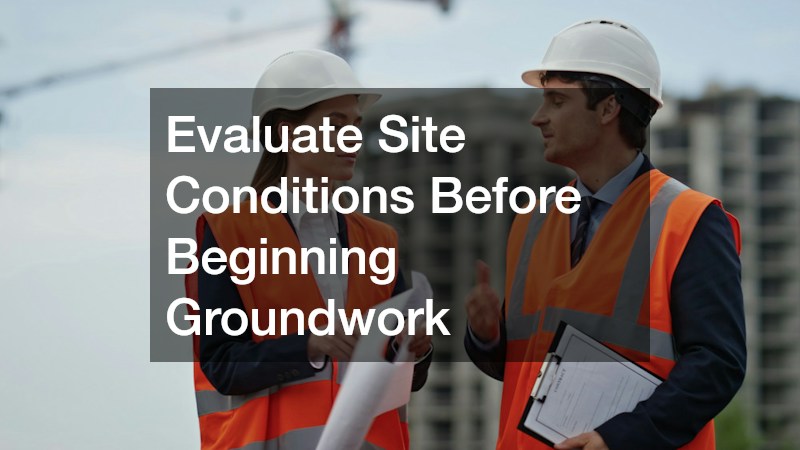
Proper site preparation provides an important foundation for many property and infrastructure projects. Before work begins, professionals need to understand the land, identify potential obstacles, and determine what equipment and methods are appropriate. An excavating contractor may handle tasks such as grading, trenching, clearing, and removing soil to prepare a site for its intended use.
Businesses should avoid treating excavation as a simple matter of moving earth. Soil conditions, underground utilities, drainage, and site access can all affect the work. A thorough evaluation helps identify potential complications before equipment arrives.
When evaluating a contractor, ask about:
- Site assessments: How will soil conditions, grading requirements, and existing obstacles be evaluated?
- Utility identification: What steps will be taken to locate underground lines before digging?
- Equipment: Does the contractor have machinery suited to the property’s size and conditions?
- Safety procedures: How will workers, visitors, and nearby structures be protected?
- Scheduling: What factors could affect the timeline?
Clear communication about site conditions and project expectations can help businesses avoid preventable disruptions.
Address Water Intrusion Before It Causes Extensive Damage
Water intrusion can affect foundations, walls, flooring, storage areas, and other parts of a commercial property. Even when moisture problems initially appear minor, recurring exposure can lead to deterioration and interfere with daily operations. Identifying the source of the problem is an important first step toward selecting an appropriate solution.
A waterproofing contractor can assess areas where water enters or accumulates and recommend methods to address the underlying issue. Depending on the property, solutions may involve sealing, drainage improvements, moisture barriers, or other protective measures.
Before approving work, businesses should consider:
- Source identification: Has the contractor investigated where the water is coming from?
- Recommended methods: Does the proposed solution address the cause rather than only visible symptoms?
- Material suitability: Are the products appropriate for the affected surfaces and conditions?
- Maintenance: Will the system require inspections or periodic upkeep?
- Project scope: Are preparation, repairs, and cleanup included in the estimate?
Businesses should also ask how the contractor plans to evaluate the results. A clear explanation of the proposed work makes it easier to understand what the service is expected to accomplish.
Choose Restoration Specialists Who Understand Damage Assessment
Fire damage can affect more than the areas directly exposed to flames. Smoke, soot, odors, and heat can impact building materials and interior spaces, creating restoration needs that require careful evaluation. Businesses dealing with this type of damage should prioritize professionals who understand how to assess the full extent of the problem.
Fire restoration contractors may coordinate several stages of recovery, including damage assessment, cleanup, removal of affected materials, and repairs. Their work can help businesses determine which areas need attention before normal operations resume.
When evaluating restoration providers, ask about:
- Initial assessments: How will structural and interior damage be documented?
- Smoke and soot: What methods will be used to address affected surfaces?
- Material removal: How will damaged materials be identified and handled?
- Project coordination: Can the contractor organize cleanup and repair activities?
- Communication: How will progress, unexpected findings, and schedule changes be reported?
Businesses should request a clear explanation of the proposed restoration process. Understanding the work involved can help decision-makers plan around property access, operational interruptions, and the steps needed to return the facility to use.
Prioritize Surface Quality and Safety in Recreational Facilities

Recreational facilities need surfaces suited to their intended activities. Athletic tracks, for example, must accommodate repeated use while providing an appropriate surface for runners. Poorly maintained or unsuitable materials can affect usability and create additional maintenance concerns for facility managers.
Track surfacing contractors specialize in installing, repairing, and maintaining surfaces used for running and other athletic activities. Their recommendations should account for the facility’s purpose, expected traffic, existing surface conditions, and maintenance requirements.
Before selecting a provider, consider several important factors:
- Experience: Has the contractor completed projects involving similar athletic facilities?
- Materials: Can the provider explain the available surface options and their intended uses?
- Drainage: How will water movement and surface conditions be addressed?
- Preparation: What work is required before the new surface can be installed?
- Maintenance: What routine care will help preserve the finished surface?
Facility managers should also discuss how the project could affect scheduled activities. Planning installation or repairs around facility use can help limit disruptions while allowing the work to be completed properly.
Verify Ground Stability Before Supporting Heavy Structures
Some structures require deep foundation support to provide the stability needed for their intended use. The appropriate installation method depends on factors such as soil conditions, structural requirements, site access, and the specifications established for the project. These considerations make specialized experience particularly important.
Pier drilling contractors prepare holes for piers and other foundation support systems. Their work requires appropriate equipment, accurate measurements, and an understanding of the conditions encountered below ground. Businesses should confirm that the contractor can follow the project’s technical requirements and coordinate with other professionals when necessary.
Useful questions to ask include:
- What site information is needed before drilling begins?
- Does the contractor have equipment suitable for the required depth and ground conditions?
- How will drilling locations and dimensions be verified?
- What safety measures will protect the surrounding property?
- How will unexpected soil conditions or underground obstacles be handled?
Clear coordination between contractors, engineers, and project managers helps keep the work aligned with structural plans. Businesses should also confirm that responsibilities and inspection requirements are documented before work starts.
Match Equipment Services to Operational Requirements
Many commercial and industrial operations depend on equipment that must perform consistently. When machinery experiences problems, production schedules, facility operations, and other business activities may be affected. Choosing professionals who understand the equipment involved can help businesses address maintenance needs and reduce avoidable interruptions.
Compressor contractors may provide installation, troubleshooting, repairs, and ongoing maintenance for systems used in different operational environments. The right service provider should understand the equipment’s capacity, operating demands, and compatibility with the facility’s requirements.
Before hiring, businesses should evaluate:
- System requirements: Does the contractor understand the equipment’s intended workload?
- Maintenance capabilities: Can the provider perform routine inspections and necessary repairs?
- Troubleshooting: How does the contractor identify the cause of performance issues?
- Replacement options: Can the provider explain when repairs may no longer be practical?
- Service availability: What response times are available when equipment problems occur?
It is also helpful to discuss maintenance schedules and keep records of completed service. Consistent equipment care can make it easier to recognize recurring problems and plan for future operational needs.
Select Durable Flooring for High-Traffic Commercial Spaces

Commercial flooring must suit the activities taking place inside a building. Retail spaces, warehouses, offices, and industrial facilities can experience different levels of foot traffic, equipment movement, spills, and daily wear. Selecting an appropriate surface requires balancing appearance, functionality, cleaning needs, and long-term maintenance.
A polished concrete contractor can help businesses evaluate flooring options involving concrete preparation, finishing, and polishing. The final appearance and performance depend on the existing surface, preparation process, selected finish, and intended use of the space.
Before moving forward, consider:
- Existing conditions: Does the concrete require repairs or additional preparation?
- Intended use: Will the floor accommodate foot traffic, equipment, or other demanding activities?
- Finish: What appearance and level of sheen are appropriate for the facility?
- Maintenance: What cleaning practices will help preserve the surface?
- Previous work: Can the contractor provide examples of comparable projects?
Ask for a detailed explanation of the preparation and finishing process. Understanding these steps helps businesses compare proposals based on the actual work involved rather than price alone.
Assess Local Expertise When Hiring Property Professionals
Hiring professionals familiar with the surrounding area can be beneficial when businesses need property repairs, improvements, or building-related services. Local knowledge may help with understanding regional conditions, coordinating suppliers, and managing project logistics. However, proximity should not replace a careful review of qualifications and experience.
A local building contractor may handle a range of property-related projects, depending on the company’s specialties and capabilities. Businesses should confirm that the provider has completed work similar to the project being considered.
Before making a decision, review:
- References: Can the contractor provide feedback from previous clients?
- Qualifications: Are required licenses, insurance, and other credentials current?
- Experience: Has the provider handled comparable property types and project requirements?
- Estimates: Does the proposal clearly explain labor, materials, and expected costs?
- Communication: Is there a reliable contact for questions and project updates?
Request written details about the work, payment arrangements, and expected schedule. Comparing multiple qualified providers can help businesses identify a professional whose experience and services match their needs.
Coordinate Difficult Projects With Clear Responsibilities
Projects involving multiple trades, suppliers, or specialized services require careful organization. Without clear communication, scheduling conflicts, unclear responsibilities, and material delays can complicate the work. Businesses should understand who will oversee the project and how different participants will coordinate their activities.
A general contractor often manages broader project responsibilities, including scheduling, subcontractor coordination, materials, and communication with the property owner. The specific duties depend on the agreement, so businesses should review the proposed scope before work begins.
When evaluating project management capabilities, consider:
- Experience: Has the contractor coordinated projects with similar requirements?
- Responsibilities: Who manages subcontractors, suppliers, and scheduling?
- Documentation: Are estimates, agreements, and project changes recorded?
- Communication: How frequently will the business receive updates?
- Problem-solving: What process will be followed if delays or unexpected conditions arise?
A written agreement should clarify the work included, payment milestones, responsibilities, and procedures for changes. Establishing these expectations early helps everyone understand their role and gives the business a clearer way to monitor progress.
Protect Building Structures Through Regular Roof Maintenance
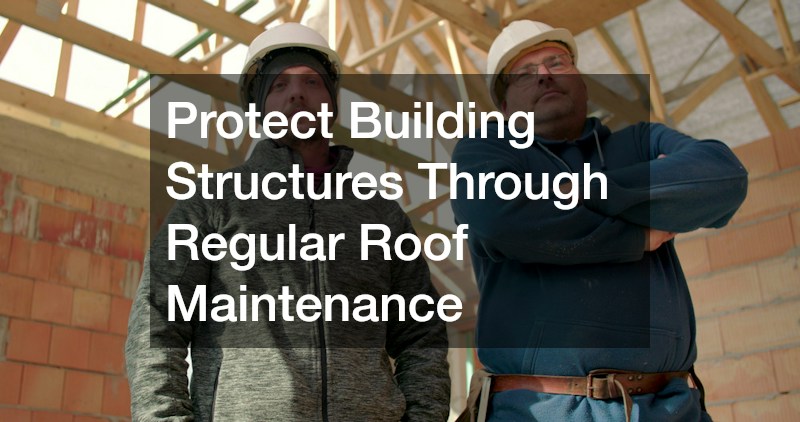
A commercial roof protects the building and the property inside it from exposure to weather and other environmental conditions. When roofing materials deteriorate or damage goes unnoticed, water can enter the structure and affect ceilings, walls, equipment, and inventory. Regular inspections help businesses identify concerns before they become more extensive problems.
Roofing contractors may provide inspections, repairs, replacements, and maintenance recommendations. The appropriate service depends on the roof’s age, material, condition, and the property’s needs. Businesses should avoid choosing a provider based only on the lowest estimate, especially when the proposals include different materials or scopes of work.
When reviewing a roofing proposal, consider:
- Inspection findings: Are visible damage and potential problem areas documented?
- Material options: Are recommendations appropriate for the existing roof and building?
- Repair scope: Does the estimate explain the work and materials involved?
- Experience: Has the contractor worked with similar roofing systems?
- Maintenance: Are future inspection or upkeep recommendations included?
Keep records of inspections and completed repairs. This documentation can help property managers track recurring concerns and make more informed decisions about future maintenance.
Skilled contractors provide services that businesses rely on to maintain properties, support operations, and address specialized challenges. Because different projects require different capabilities, choosing a professional with relevant experience is an important part of making informed decisions. Understanding the work involved also helps businesses evaluate proposals and establish realistic expectations.
Before hiring, take time to review qualifications, references, insurance, communication practices, and written estimates. Ask specific questions about the proposed work, clarify responsibilities, and confirm how progress or unexpected issues will be handled. These steps can help prevent misunderstandings and create more productive working relationships.
Building relationships with qualified professionals can also make future maintenance and service needs easier to manage. Rather than waiting until a problem becomes urgent, businesses can identify reliable providers and understand which services they offer. Careful contractor selection supports better planning, safer facilities, and more dependable business operations.